Your Old Posts Are Not Embarrassing — They're Cherry Blossoms
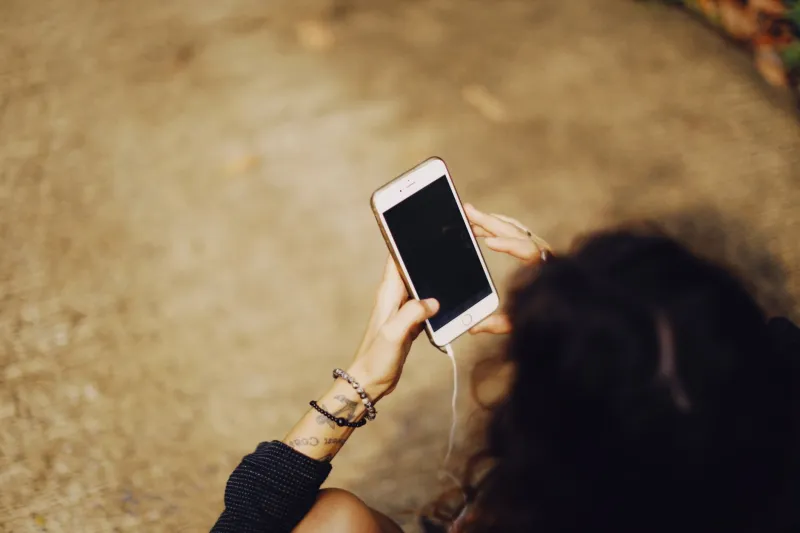
Somewhere in the depths of your Instagram grid, there's a photo. Maybe it's from a relationship that ended badly. Maybe it's a selfie with a filter you'd never touch now, a caption that makes you cringe, or a whole aesthetic era you've quietly moved on from. You know it's there. You scroll past it sometimes. You've thought about deleting it approximately forty-seven times.
You haven't, though. And maybe that's worth examining.
The Philosophy That Reframes Everything
Mono no aware — often translated as "the pathos of things" or "an empathy toward things" — is one of Japanese culture's most quietly profound concepts. It describes that particular ache you feel when something beautiful is passing away. The last light of a sunset. The final days of autumn. Cherry blossoms at peak bloom, already beginning to fall.
The feeling isn't purely sad. It's not purely beautiful either. It sits right in between — a kind of tender grief for impermanence that the Japanese have been honoring in poetry, art, and everyday life for over a thousand years. The point isn't to stop things from ending. It's to feel the ending fully, and find something meaningful in that feeling.
Now apply that to your Instagram grid.
What Your Digital Past Actually Is
American internet culture has developed a deeply complicated relationship with online permanence. On one hand, we're told that everything lives forever, that nothing is truly deleted, that old posts can and will resurface to haunt us. On the other hand, there's relentless pressure to stay current — to update your aesthetic, rebrand your personal narrative, perform a version of yourself that feels relevant right now.
The result is a specific kind of anxiety that most of us recognize but rarely name. The compulsion to audit your own profile like a PR manager. The low-grade stress of an outdated bio. The cringe-spiral when you accidentally stumble across your 2014 Facebook era.
Mono no aware offers a completely different frame. Your old posts aren't liabilities. They're evidence of a person who existed, felt things, made choices, and moved through time. They're cherry blossoms that already fell. You don't rake up fallen petals in shame — you notice them, feel something about them, and let them be part of the season.
The Selfie You'd Never Post Now
Let's be specific for a second, because the abstract gets easy to dismiss.
That photo of you at 24, eyeliner too heavy, lighting too harsh, tagged at a bar that's now a juice place — that's not a failure of taste. That's a document. You were 24. You went out. You felt good enough about yourself to take a photo. Those are not embarrassing facts. They're human ones.
The Japanese aesthetic tradition of wabi-sabi — finding beauty in imperfection and age — applies to digital artifacts too. A cracked glaze on a ceramic bowl is beautiful because of what it reveals about time. Your old selfies are doing the same work. They show the texture of a life actually lived, not a brand carefully managed.
Deleting them doesn't erase the person who posted them. It just makes the timeline look suspiciously smooth.
Letting Accounts Die With Grace
There's also the matter of the abandoned account. The Twitter you haven't touched since 2020. The Tumblr that exists in a kind of digital amber. The TikTok you made three videos on before deciding it wasn't for you.
In American productivity culture, these feel like failures — projects abandoned, platforms unconquered, personal brands left to decay. But through a mono no aware lens, they're something else entirely. They're finished seasons. Complete in themselves, even if the ending wasn't dramatic.
You don't have to formally close every account. You don't have to post a farewell. You can simply let something fade, the way a song fades out rather than stopping abruptly. There's a kind of grace in that.
The Algorithm Doesn't Care, and Neither Should You
Here's a practical truth that the mono no aware frame helps land differently: your older posts are already invisible. The algorithm buried them years ago. Nobody is scrolling to 2019 on your grid unless they're specifically looking, and the people who are specifically looking are doing so with affection, not judgment.
The audit anxiety you feel about your own profile is almost entirely self-directed. You are your harshest archivist.
Practicing a little digital mono no aware means letting yourself feel the bittersweetness of an old photo without immediately converting that feeling into an action item. Notice the old you. Feel something about her. And then scroll on without deleting her from the record.
A Small Practice for Letting Go
If you want to bring this philosophy into your actual scrolling life, try this: the next time you cringe at an old post, instead of reaching for the delete button, ask yourself what that version of you was feeling when she posted it. What was she hoping for? What was she celebrating, even quietly?
Then let the post stay. Not because you're proud of it, necessarily, but because it's part of the full picture. Because impermanence is the whole point. Because the cherry blossoms are beautiful precisely because they fall.
Your timeline is not a brand deck. It's a life. And lives are allowed to look like they happened.