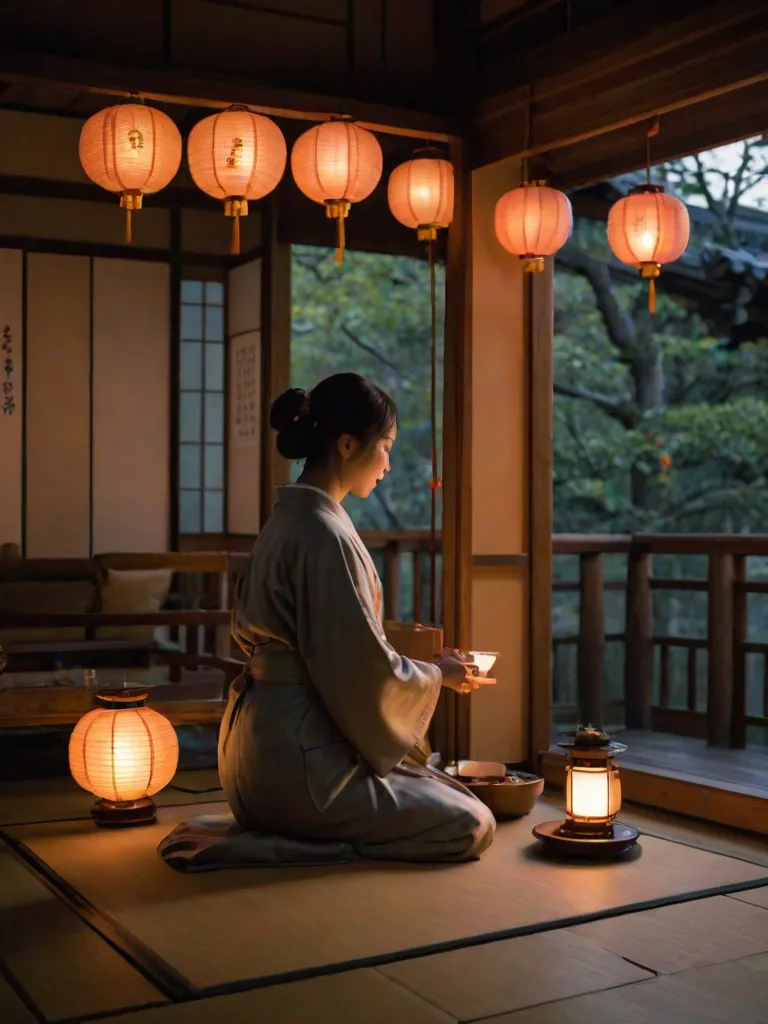
Sunlit and Purposeless: How the Japanese Idea of Hidamari Can Heal Your Hustle-Broken Soul
There's a specific kind of afternoon that doesn't have a name in English. You know the one. You're sitting near a window — maybe at your favorite coffee shop, maybe on your own couch — and a wide, warm band of sunlight falls directly across your lap. Your shoulders drop two inches without you telling them to. You don't check your phone. You just... sit there. Breathing. Warm.
In Japanese, that moment has a name: hidamari (日だまり). Literally translated, it means "a sunny spot" or "a place where sunlight pools." But culturally, it carries something deeper — the recognition that basking in warmth, without agenda or output, is not laziness. It's a legitimate form of being alive.
And honestly? American women are starving for exactly this.
The Productivity Trap We're All Caught In
Let's be real about where we are right now. We live in a country that has turned self-improvement into a second job. Between morning routines that start at 5 a.m., "rest days" that still involve journaling about your rest, and the relentless pressure to monetize every hobby, the idea of doing something with zero purpose — no output, no optimization, no measurable benefit — feels almost transgressive.
Even our wellness culture, bless its heart, can't leave well enough alone. Meditation apps track your streaks. Walks become "active recovery." A bath becomes a "ritual" with a checklist of products. We've taken the concept of rest and quietly turned it into another performance.
Hidamari pushes back on all of that. Hard.
The concept doesn't ask you to improve anything. It doesn't promise better skin or a clearer mind or a more productive tomorrow. It just says: warmth feels good, and you are allowed to sit inside it for no reason at all.
What Hidamari Actually Looks Like in Practice
Here's what I love about this idea — it's not aspirational in the way that, say, a $300 wellness retreat is aspirational. Hidamari is radically accessible. It's already around you.
It's the corner booth at your local diner where the morning light hits just right. It's your car, parked and off, after you've pulled into the driveway but before you've gone inside to deal with everything. It's the stretch of park bench that's perfectly placed between two trees in October, catching the last warm light of the year. It's your grandmother's kitchen. It's your best friend's living room floor.
In Japan, hidamari is also used to describe people — someone who has a warm, sunny presence that makes you feel safe just by being near them. Which means the concept extends beyond physical sunlight into the idea of emotional warmth as a destination worth seeking.
So hidamari isn't just about light. It's about locating the places and people in your life that feel like that — and then actually letting yourself rest inside them.
Why This Is Harder Than It Sounds
If hidamari were easy, we'd all be doing it already. But there's a reason so many American women feel guilty the moment they stop moving.
We've absorbed, deeply and early, the message that our worth is tied to our output. That being productive is being good. That stillness is something you earn after you've finished everything — except everything is never finished, so the stillness never quite comes.
Japanese culture isn't without its own complicated relationship to work and rest — that's a real and nuanced conversation worth having. But there's something in the way Japanese aesthetic philosophy consistently makes space for the small, the quiet, and the purposeless that American culture simply doesn't. Concepts like ma (negative space), mono no aware (the bittersweet beauty of transience), and wabi-sabi (finding beauty in imperfection) all share a common thread: that not everything needs to be filled, fixed, or optimized.
Hidamari fits into that lineage. It's the practice of noticing warmth and choosing to stay in it — not because it's making you better, but because it's making you present.
How to Actually Invite Hidamari Into Your Life
You don't need to overhaul your schedule or buy anything new. Here's how to start small:
Find your spot. Pay attention this week to where light lands in your home, your neighborhood, your regular haunts. Is there a window seat you keep walking past? A patch of your backyard that catches the afternoon sun? Claim it. Physically sit in it and do nothing productive for at least ten minutes.
Stop narrating it. Resist the urge to Instagram the light, journal about how peaceful you feel, or text a friend about your new wellness practice. Just be in it. The moment you make hidamari content, it stops being hidamari.
Identify your human hidamari. Think about the people in your life whose presence genuinely warms you — not because they're useful or inspiring, but because being around them feels like sunlight. Prioritize time with them without an agenda. No plans, no productivity, no reason other than the warmth.
Let boredom be the point. Hidamari isn't mindfulness with a goal. It doesn't need to lead anywhere. If you find yourself thinking "okay, I've been warm for ten minutes, now what?" — that's the hustle brain talking. Let it pass. Stay a little longer.
Build seasonal rituals around it. In Japan, there's something beautiful about how the quality of light changes with the seasons and people notice — they arrange their lives around it. Chase the winter sun through your apartment. Sit outside in early spring before the air is fully warm yet. Let the light mark time for you.
The Radical Act of Just Being Warm
Here's the thing about hidamari that keeps getting me: it requires nothing from you except your presence. No skill, no money, no improvement arc. Just you, and a warm spot, and the willingness to let that be enough.
In a culture that monetizes rest, gamifies wellness, and turns every quiet moment into content, choosing to simply sit in the sun — purposeless, unproductive, unhurried — is genuinely countercultural. It's a small, soft act of resistance.
And maybe that's exactly the kind of revolution we need right now. Not louder or faster or more optimized. Just warmer.
Find your hidamari. Stay there a while. You don't owe anyone an explanation for it.