The Japanese Concept That Finally Made Me Stop Fighting My Own Face

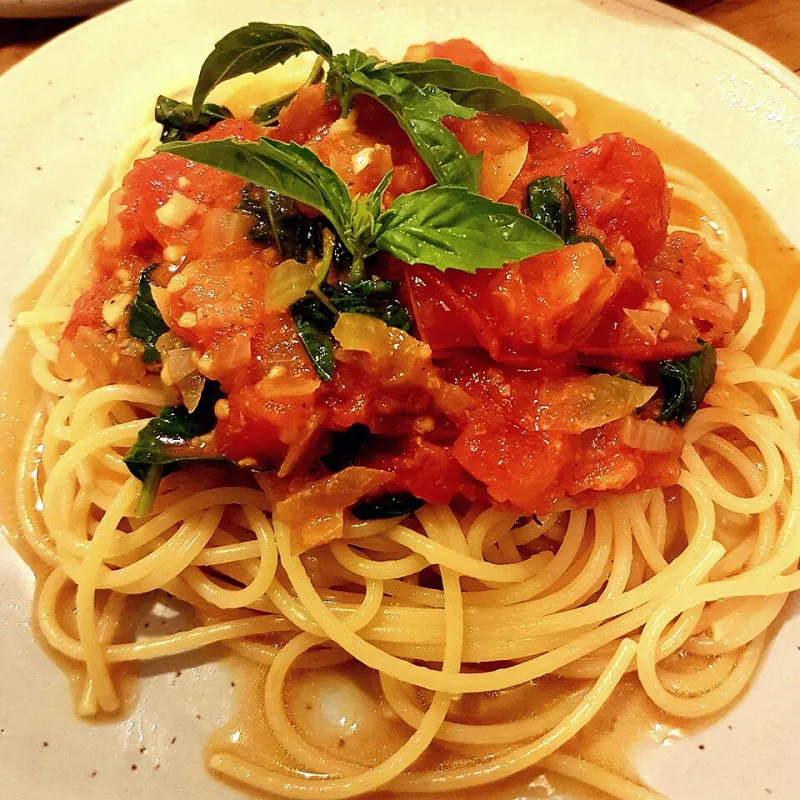
Photo by Photo by Declan Sun on Unsplash on Unsplash
Cherry Blossoms Don't Apologize for Falling
Every spring in Japan, something remarkable happens: the entire country stops to watch flowers die.
Hanami — the tradition of gathering under cherry blossom trees to appreciate their bloom — is beautiful precisely because everyone knows it won't last. The blossoms peak for maybe two weeks. Then they fall. And that falling, that specific quality of beautiful impermanence, is the whole point. The Japanese have a phrase for the feeling it produces: mono no aware (物の哀れ). Loosely translated, it means "the pathos of things" — a bittersweet awareness of transience that deepens rather than diminishes appreciation.
Now think about the last time you looked at your face in the mirror and felt something like that. Not anxiety. Not the urge to Google "best retinol for women over 40." Just... appreciation, tinged with a kind of tender awareness that this moment, this face, is also temporary. And therefore also worth savoring.
If that sounds foreign to you, you're not alone. But it might be exactly what you need.
What the Anti-Aging Industry Is Actually Selling You
The American beauty industry generated over $100 billion last year, and a massive chunk of that money is built on a single emotional premise: that aging is a problem to be solved. Fine lines are "corrected." Gray hair is "covered." Skin is "restored" to a previous version of itself.
The language is always about reversal, about getting back to somewhere you used to be. The underlying message — that where you currently are is insufficient — is so constant it becomes invisible.
Mono no aware offers a completely different framework. Not "how do I look younger" but "what is genuinely beautiful about where I am right now, knowing it will change?"
That's not a passive surrender to neglect. It's a fundamentally different relationship with time.
The Women Who Are Living This Differently
I talked to several women who've found their way to this perspective — through Japanese culture, through therapy, through just getting tired of the alternative.
Denise, 52, a graphic designer in Portland, described a turning point that happened in front of a bathroom mirror three years ago. "I was doing that thing where you pull your face back slightly to see what you'd look like with a lift," she said. "And I just... stopped. I thought, who is this person I'm trying to get back to? She was 38 and honestly kind of anxious all the time. Why am I trying to erase my way back to her?"
She started learning about Japanese aesthetics through a ceramics class — specifically wabi-sabi, which overlaps with mono no aware in its appreciation for imperfection and wear. "There's this idea that an object gets more beautiful as it ages because it accumulates history. I started thinking about my face that way. These lines are from laughing. This one is from squinting at too many sunsets. That's not damage. That's a record."
Miranda, 44, a middle school teacher in Atlanta, came at it differently — through her Japanese American grandmother. "Obaachan never talked about aging like it was something happening to her," Miranda told me. "She talked about seasons. She was in her autumn, she'd say, and autumn has its own beauty. I didn't fully get it until I hit my forties and started dreading my own autumn. Then I thought about how she talked about it and I just... let myself try it her way."
Mono No Aware as a Daily Practice
This isn't about abandoning your skincare routine or throwing out your hair dye. It's about shifting the emotional register underneath whatever choices you make. Here's what that can look like practically:
Notice the specific beauty of your current age. Not in a forced affirmation way — genuinely look. The way confidence reads differently on a 50-year-old face than a 25-year-old one. The way silver hair catches light. The way laugh lines make a smile more legible. These aren't consolation prizes. They're specific aesthetic qualities that only exist here, at this moment.
Borrow the language of seasons. Japanese culture is deeply attuned to seasonal transition, and there's something genuinely useful about thinking of your life in those terms — not as decline, but as movement through distinct phases that each carry their own character. What season are you in? What does that season look like at its most beautiful?
Sit with the bittersweet instead of rushing past it. Mono no aware isn't about being happy about impermanence — it's about feeling it fully, the sweetness and the sadness together. Looking at a photo from ten years ago and letting yourself feel both the tenderness for who you were and the appreciation for how you've changed is the practice, not a problem to fix.
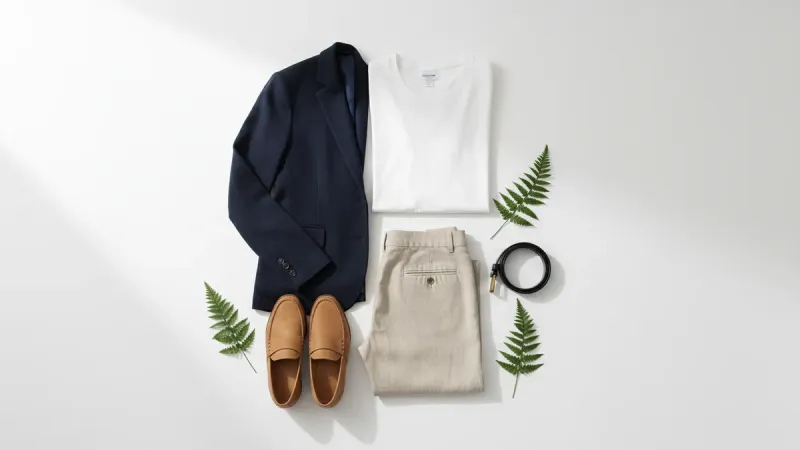
Dress for now, not for then. Fashion is one of the places this gets really interesting. So much style advice for women over 40 is about dressing to minimize, to not draw attention, to "age gracefully" in ways that basically mean invisibly. Mono no aware says: dress for the season you're actually in. Own it with specificity.
The Radical Act of Finding Yourself Enough Right Now
There's a reason Japanese aesthetics keep showing up in conversations about American women's wellness. It's not just that they're beautiful (though they are). It's that they offer a fundamentally different set of values — ones that locate worth in authenticity, in the passage of time, in the evidence of a life actually lived.
Mono no aware doesn't promise you'll stop noticing the changes in your face. It doesn't even promise you'll always feel good about them. What it offers is something more durable: a way of seeing those changes as part of a larger beauty rather than as failures of maintenance.
The cherry blossoms are falling. They're gorgeous. And so are you, right now, exactly as you are — which is to say, temporary, specific, and entirely worth stopping to appreciate.